Common Radiator Problems
Learn to identify radiator issues early and know your repair options.
Radiator Problems You Shouldn't Ignore
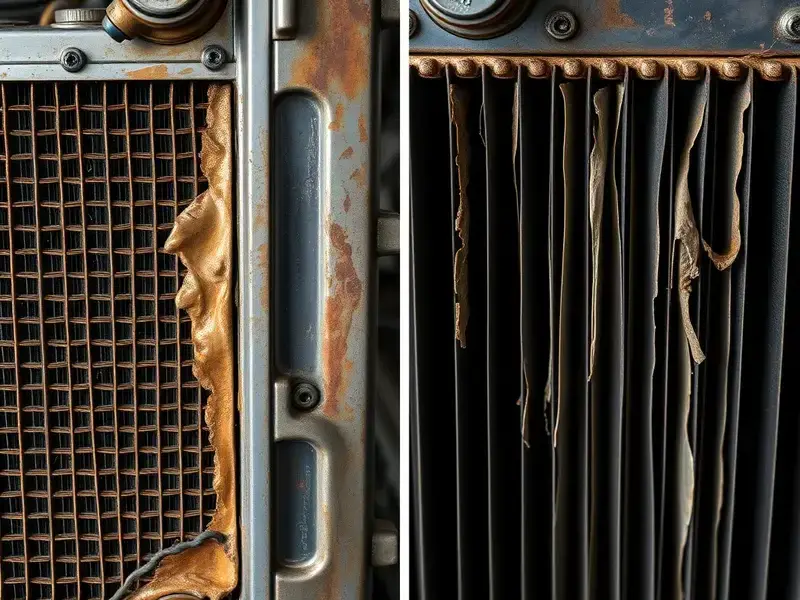
Radiator problems can start small but quickly lead to expensive engine damage if ignored. Understanding common issues and their warning signs can save you time, money, and stress.
Leaking Coolant
Coolant leaks are the most common radiator problem. Small leaks often appear at hose connections, while larger leaks might come from the radiator tank or core. If you notice green, orange, or pink fluid under your vehicle, have it checked immediately.
Repair options: Minor leaks at hose connections can often be repaired by tightening clamps or replacing hoses. Small leaks in the radiator might be repairable with specialized sealants. However, significant damage or core leaks typically require radiator replacement.
Engine Overheating
An overheating engine is a clear sign something is wrong with your cooling system. While it doesn't always mean radiator failure, a malfunctioning radiator is often the culprit. Possible causes include:
- Clogged or corroded radiator tubes restricting flow
- Failing cooling fan not drawing air through the radiator
- Low coolant levels from leaks
- Failing thermostat restricting coolant flow
Corrosion and Deposits
Over time, coolant breaks down and can become acidic, causing corrosion inside the radiator. This leads to:
- Rusted or discolored coolant
- Clogged tubes reducing cooling efficiency
- Weakened radiator material leading to leaks
Solution: Regular cooling system flushes prevent buildup. If corrosion is severe, radiator replacement may be necessary.
Clogged or Damaged Tubes
Radiator tubes can become clogged with debris or deposits, restricting coolant flow. Physical damage from road debris can also dent tubes, reducing their effectiveness.
Signs of clogging: Uneven heating, temperature fluctuations, and reduced cooling performance. Severe clogs often require radiator replacement rather than repair.
When to Repair vs Replace
Consider these factors when deciding between repair and replacement:
- Age of radiator: Radiators over 10 years old are more likely to have multiple issues
- Extent of damage: Multiple leaks or widespread corrosion favor replacement
- Cost comparison: Multiple repairs can approach replacement cost
- Vehicle value: High-value vehicles warrant quality parts and proper repairs
Prevention Tips
Keep your radiator in good shape with these practices:
- Check coolant levels monthly
- Flush system per manufacturer recommendations
- Inspect hoses for cracks, bulges, or leaks
- Address any temperature irregularities promptly
- Use proper coolant type for your vehicle
Need Radiator Service?
Our certified technicians can diagnose and repair any radiator issue. Contact us today.
Schedule ServiceExpert Radiator Service
Fast, reliable repairs backed by our 24-month parts warranty.